Kingston Hospital Gardens Maintenance and Commercial Gardeners: A Practical Guide for Reliable Outdoor Care
Healthcare grounds are not just background scenery. Around a hospital, a well-kept garden can calm patients, help visitors feel less overwhelmed, and make staff breaks feel like an actual break for once. Kingston Hospital gardens maintenance and commercial gardeners play a quiet but important role in that experience. The work needs to be tidy, consistent, safe, and flexible enough to fit around busy entrances, clinical routines, and changing weather. This guide looks at what that means in practice, how commercial garden teams approach it, and what to consider if you are choosing support for a hospital, care environment, or other high-use site in Kingston upon Thames.
We will cover the day-to-day maintenance tasks, the benefits of professional garden care, the common pitfalls to avoid, and the standards that matter when safety and presentation both count. If you are comparing options, you will also find a practical checklist, a comparison table, and a realistic example of how a structured maintenance plan works in the real world.
Table of Contents
- Why Kingston Hospital gardens maintenance and commercial gardeners Matters
- How Kingston Hospital gardens maintenance and commercial gardeners Works
- Key Benefits and Practical Advantages
- Who This Is For and When It Makes Sense
- Step-by-Step Guidance
- Expert Tips for Better Results
- Common Mistakes to Avoid
- Tools, Resources and Recommendations
- Law, Compliance, Standards, or Best Practice
- Options, Methods, or Comparison Table
- Case Study or Real-World Example
- Practical Checklist
- Conclusion
- Frequently Asked Questions
Why Kingston Hospital gardens maintenance and commercial gardeners Matters
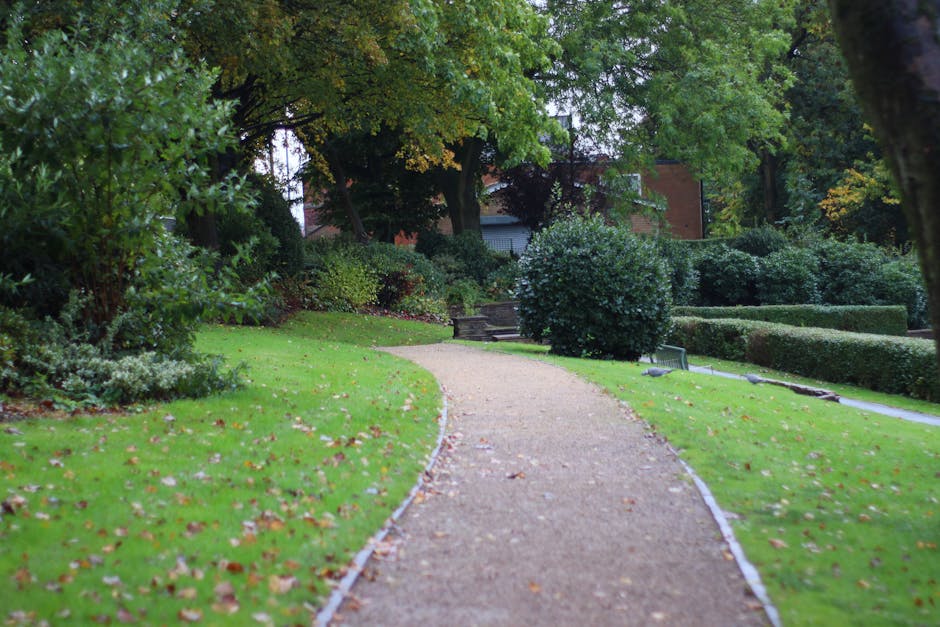
Hospital grounds do a lot more work than people sometimes notice. A tidy entrance planting scheme can reduce that first-minute stress when someone arrives for an appointment. Paths that are free of leaf build-up and overgrowth are easier to navigate. And a well-managed lawn or border simply makes the place feel more cared for. That sounds small, but in healthcare settings, small things add up fast.
Kingston Hospital gardens maintenance and commercial gardeners matters because hospital sites are not ordinary domestic gardens. They see heavier footfall, more wheelchairs, trolleys, deliveries, contractors, and visitors who may already be anxious. If a hedge grows too far across a walkway or a verge gets slippery with moss and debris, it is not just untidy. It can become a practical problem.
Commercial gardeners understand that a hospital landscape has several jobs at once:
- it should look orderly and reassuring
- it should support safe movement through the site
- it should be easy to maintain over time
- it should not interfere with access, visibility, or signage
- it should stay resilient through seasonal changes
In healthcare work, consistency matters more than dramatic one-off improvements. You can replant a border, but if nobody keeps on top of it, the improvement fades quickly. To be fair, most outdoor spaces fail for that reason rather than because the design was poor. They simply were not maintained well enough.
There is also a trust element. Visitors notice if the grounds feel neglected. Staff notice too. And when a site feels cared for, it often supports a calmer, more professional impression before anyone even walks through the door.
How Kingston Hospital gardens maintenance and commercial gardeners Works
Commercial garden maintenance for a hospital usually starts with a site assessment. The team looks at the layout, the planting, access points, seasonal pressure points, and any areas that need particular attention, such as entrances, smoking shelters, waiting areas, courtyards, or staff outdoor spaces. A good contractor will not rush this. They will walk the site properly, and yes, that includes looking down as well as ahead; you would be surprised how often broken edging or hidden trip hazards are missed at first glance.
From there, the maintenance plan is built around routine tasks and occasional specialist work. Routine work might include mowing, hedge trimming, pruning, weed control, border tidying, leaf clearance, and litter removal. More specialist work may include soil improvement, replanting, seasonal refreshes, tree management, or hard landscaping repairs.
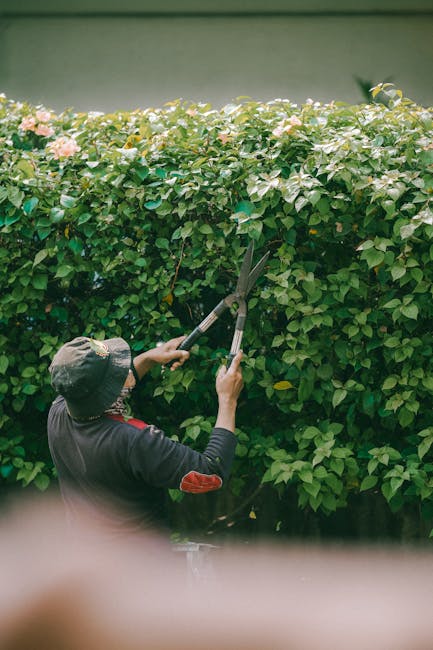
If you want a broader overview of what a maintenance provider can cover, it helps to look at a structured services overview. For day-to-day upkeep, a dedicated garden maintenance programme can keep the site consistent, while specific tasks such as lawn mowing and hedge trimming can be scheduled at the right interval rather than left until they become a bigger job.
Hospitals often need flexible scheduling too. Work may need to happen early in the morning, between peak visitor times, or in small sections to reduce disruption. A commercial gardener knows how to move quietly around a live site. That means planning access, managing tools carefully, and keeping noise, waste, and plant debris under control.
There is another side to the work: safety and documentation. Good providers usually work with clear method statements, risk awareness, and suitable insurance. If you are comparing contractors, it is worth checking their insurance and safety approach, especially where public access, machinery, or tree work is involved. It is not glamorous. It is essential.
Key Benefits and Practical Advantages
The value of professional hospital grounds care is partly visual, partly practical, and partly operational. That combination is why experienced commercial gardeners are so useful. They are not just "making things look nice"; they are reducing friction across the site.
- Better first impressions: Neat planting, clipped hedges, and clean pathways create a calmer feel for patients and visitors.
- Improved safety: Regular maintenance helps reduce overgrowth, slippery debris, blocked sightlines, and hidden obstacles.
- More efficient use of budget: Planned upkeep is usually easier to manage than repeated reactive callouts. Let's face it, emergency tidy-ups are rarely the cheapest option.
- Healthier plants and surfaces: Routine care keeps borders, lawns, and hard landscaping in better condition for longer.
- Less disruption: A commercial team can schedule work around sensitive areas and keep the site functioning normally.
- Seasonal control: Leaves, frost damage, summer growth, and spring weed pressure are handled before they snowball.
There is also a softer benefit that people forget. Staff working long shifts tend to appreciate a decent outdoor environment, even if only for a quick walk at lunch. A quiet bench area or a sheltered planting scheme can make the day feel a touch less clinical. A tiny thing, maybe. But on a damp Tuesday in November, tiny things matter.
For sites that need longer-term improvement, commercial gardeners can coordinate maintenance with landscaping work. If a garden layout is awkward, drainage is poor, or planting is constantly failing, maintenance alone may not solve it. In that case, a team with experience in landscape gardening or wider landscaping can help redesign problem areas so they are easier to maintain.
Who This Is For and When It Makes Sense
This kind of service is not only for hospitals, though Kingston Hospital is a strong example of the type of site where standards matter. The same approach makes sense for clinics, NHS-adjacent premises, care homes, medical offices, schools, business parks, housing associations, and property managers responsible for shared outdoor areas.
You may need commercial gardeners if:
- the site gets regular public foot traffic
- you need predictable upkeep rather than occasional tidy-ups
- there are safety concerns around pathways, visibility, or access
- the garden is part of the building's public image
- you have limited in-house time, equipment, or expertise
- you want one contractor to manage multiple outdoor tasks
Sometimes the need is obvious. The hedges are overgrown, the grass is patchy, and everyone can see it. Other times it is more subtle. The place still looks fine, but staff keep mentioning weeds near entrances, or leaves keep collecting in the same shaded corner, or the planting never really recovers after summer. Those are the jobs where commercial gardeners earn their keep.
If the site has a lot of waste, fallen branches, or neglected areas, a one-off clean-up may be the right start. In that case, a garden clearance service can reset the space before routine maintenance begins again. And if tree branches are becoming a concern, tree work should be handled carefully through tree lopping and removal, with proper judgement rather than a rushed cut-and-go approach.
Step-by-Step Guidance
If you are planning Kingston Hospital gardens maintenance and commercial gardeners support, this is the simplest way to approach it.
- Assess the site honestly. Walk the grounds and note problem areas: entrances, paths, shaded corners, dead plants, damaged edges, and places where people naturally cut across the grass.
- Separate routine work from one-off work. Maintenance is your regular schedule. Clearance, redesign, and repairs are separate jobs. Mixing them up causes confusion and odd quotes.
- Define priorities. Safety-critical areas come first, then visible public areas, then back-of-house or lower-traffic sections.
- Set a realistic frequency. Weekly, fortnightly, or seasonal visits all have different outcomes. A hospital site often needs more regular attention than a low-traffic office garden.
- Agree the scope in plain language. Who is mowing? Who is weeding? Who clears leaves? Who handles hedge cutting? If it is not written down, it will become a problem later.
- Plan around access and disruption. Good contractors can work around patient flow, deliveries, and restricted areas. You should not have to shape the site around the gardener.
- Review the results regularly. A quick monthly review is often enough to keep standards on track and spot issues before they spread.
There is a practical truth here: the best maintenance plans are boring in the best way. Same areas checked, same standards repeated, same tidy finish each time. Nothing dramatic. No grand gestures. Just steady care.
For some sites, a seasonal refresh may include a few extra improvements, such as new borders, better edging, or timber features. If that sounds useful, you might also look at decking services where a seated outdoor area or staff break space would benefit from a more durable surface.
Expert Tips for Better Results
Commercial garden care tends to go better when the client and contractor are aligned on detail. Not every detail, of course. That would be exhausting. But the important ones.
- Use a site map for recurring tasks. Mark the areas that need special attention, such as drainage dips, fast-growing hedges, or entrances that collect litter.
- Match the cutting cycle to growth. In spring and early summer, growth can be relentless. In slower months, cutting may need to be reduced but not abandoned.
- Keep entrances visibly sharp. These are the parts people remember. A clean edge, swept path, and neat planting bed make a stronger impression than people expect.
- Don't over-prune for convenience. If a plant is constantly hacked back, it often becomes weaker and less attractive. Better to prune properly and less aggressively.
- Think in seasons, not single visits. Leaves in autumn, drainage in winter, planting in spring, watering in dry spells. The site changes. The plan should too.
- Ask about waste handling. A contractor who works neatly will not leave heaps of clippings sitting around until the end of the day.
One more tip from real-world experience: if a hospital or busy commercial site says, "we just need somebody to keep an eye on it," that usually means there is already a visible issue. Better to spell out what "keep an eye on it" means in real tasks, or you will be having the same conversation again next month. Been there, more than once.
It can also help to ask whether the contractor follows a recycling-led approach for green waste. If sustainability is part of your site policy, look for a team that can explain how it handles clippings, arisings, and reusable material. A sensible recycling and sustainability policy is not just a nice extra; it is often a marker of an organised operation.
Common Mistakes to Avoid
Hospital and commercial grounds jobs can go wrong in predictable ways. Usually it is not because nobody cared. It is because the work was under-specified or left too late.
- Waiting for visible mess before acting. By then, the site is already fighting back.
- Using domestic-style maintenance thinking. A hospital garden is not the same as a private lawn. The usage pattern is very different.
- Hiring on price alone. Cheap can be fine in theory, but if safety, scheduling, or consistency are weak, the site pays for it later.
- Ignoring access and timing. A contractor who cannot work around visitors or deliveries will create friction.
- Failing to define boundaries. What is included? What is extra? Which areas are out of scope?
- Overlooking tree or shrub growth near routes and sightlines. This is one of those problems that creeps up. Quietly. Then suddenly everybody notices.
- Forgetting winter and autumn planning. Leaf fall, slippery surfaces, and weak light can turn minor issues into daily headaches.
Another common mistake is treating landscaping and maintenance as the same thing. They are related, but not identical. Maintenance keeps things healthy and tidy. Landscaping reshapes the space or solves structural issues. If the layout itself causes repeated problems, you may need design input rather than just more frequent mowing.
Tools, Resources and Recommendations
Commercial gardeners use a mix of hand tools, powered equipment, and planning systems. The actual kit depends on the site, but the point is the same: the right tools make the job safer, quicker, and more consistent.
| Need | Typical method | Why it helps |
|---|---|---|
| Lawn upkeep | Mowing, edging, seasonal feeding where appropriate | Keeps grass tidy and easier to manage |
| Boundary control | Hedge trimming and pruning | Protects visibility, access, and neat appearance |
| Heavy reset | Garden clearance | Removes clutter, waste, and overgrowth before maintenance begins |
| Tree-related work | Careful tree lopping and removal | Helps manage safety and light, especially near routes |
| Longer-term improvement | Landscape gardening or landscaping | Fixes underlying layout issues and improves usability |
For many clients, the most useful resource is not a tool at all. It is a clear maintenance brief. A short document that says what the site needs, how often it should be done, and what a good finish looks like will save a lot of back-and-forth later. Simple enough, but strangely often missing.
When you are assessing a provider, it is also worth checking who they are, how they work, and how they handle client care. Pages such as about us can help you understand the team behind the service, while pricing and quotes can give a clearer sense of how work is scoped. If you need to make a formal enquiry, use the contact us page rather than guessing the next step.
Law, Compliance, Standards, or Best Practice
Healthcare grounds maintenance is not just a gardening task. It sits alongside wider expectations around safety, access, professionalism, and responsible site management. Exact legal duties vary depending on the employer, the site, and the type of work being carried out, so it is sensible to treat this section as general best practice rather than formal legal advice.
In UK commercial settings, a few principles usually matter:
- Risk awareness: Publicly accessible areas should be kept as free as reasonably possible from obvious hazards such as trip risks, excessive debris, or low overgrowth.
- Clear communication: Contractors should know where they can work, how they should access the site, and who signs off the job.
- Appropriate insurance: Any site with visitors, staff, or sensitive operations should be confident that the contractor is properly covered.
- Safe working methods: Tools, ladders, cutting equipment, and tree work need careful handling and site-specific judgement.
- Waste handling and environmental care: Green waste should be managed responsibly and not dumped or left to create a nuisance.
Hospital sites can also have additional internal requirements around access control, infection prevention routines, or scheduling around patient movement. Even if a gardening team is only dealing with outdoor areas, they still need to respect the rhythms of a live healthcare environment. That means being predictable, tidy, and careful with noise and movement.
If you want to understand a contractor's internal standards, it can help to review supporting policy pages such as health and safety policy, terms and conditions, and modern slavery statement. Those pages are not a substitute for due diligence, but they do tell you a lot about how seriously an organisation treats governance. Slightly unglamorous, yes. Very useful, also yes.
Options, Methods, or Comparison Table
Not every site needs the same level of support. The right choice depends on the condition of the grounds, the amount of public use, and whether the problem is maintenance, design, or both.
| Approach | Best for | Strengths | Limitations |
|---|---|---|---|
| Routine garden maintenance | Sites that are already in decent condition | Steady, cost-conscious, predictable | Won't fix deeper layout or drainage problems |
| Clearance then maintenance | Overgrown or neglected areas | Resets the site before ongoing care starts | Needs more initial effort and planning |
| Landscape gardening project | Spaces with recurring usability problems | Improves structure, flow, and long-term maintenance | Usually more involved than basic upkeep |
| Combined landscaping and maintenance | Sites needing both redesign and ongoing care | Most complete option, especially for busy grounds | Requires strong coordination and clearer scope |
For a hospital or medical campus, a combined approach is often the most practical if the grounds are ageing or fragmented. If the site is already laid out well, a lighter maintenance plan can be enough. The trick is to be honest about the condition of the garden at the start. Otherwise you end up paying maintenance rates for a problem that really needed renovation.
Case Study or Real-World Example
Imagine a hospital entrance with a front lawn, a couple of shrub beds, a side path, and a small staff seating area. At first glance, it is manageable. But over a few months, the grass edges soften, weeds appear along the kerbs, one hedge starts pushing into the walkway, and leaf fall gathers in the shaded corner near the benches. Nothing dramatic. Just steady decline.
A commercial gardener steps in and starts with a reset: litter removal, edging, hedge reduction, lawn cut, weed clearance, and a quick review of the planting. The team notices that one border is too dry and struggles every summer, so it gets adjusted with hardier planting and better mulching. The staff area is tidied and made a bit more inviting. Not fancy. Just decent.
Over the next few visits, the routine becomes straightforward. Lawn cuts happen on schedule. Hedges are trimmed before they interfere with access. Leaves are cleared during autumn rather than left to build up. The site stays presentable, and nobody has to do a panicked clean-up before a busy week. That is the real win: fewer surprises.
This kind of result is common when the contractor understands both maintenance and the pressures of a commercial site. It is not about turning the grounds into a show garden. A hospital does not need that. It needs calm, functional, and dependable.
Practical Checklist
Use this checklist if you are reviewing a contractor or planning a maintenance schedule for healthcare grounds.
- Have the main public-facing areas been identified clearly?
- Are paths, entrances, and steps checked for debris and overgrowth?
- Is the mowing frequency realistic for the season?
- Are hedges trimmed before they obstruct access or visibility?
- Has a plan been set for leaf clearance in autumn?
- Are waste removal and green disposal included in the scope?
- Has the contractor confirmed insurance and safety procedures?
- Do you know what is maintenance, what is clearance, and what is a separate landscaping job?
- Are sensitive times of day or restricted zones clearly communicated?
- Is there a review process so the service does not drift off standard?
Expert summary: For hospital grounds, the best commercial gardening setup is usually the one that removes uncertainty. Clear scope, regular visits, safe working practices, and a contractor who understands live-site constraints will always beat a last-minute tidy-up.
If you are still weighing up the right level of support, start with the areas that affect safety and first impressions, then build the schedule from there. A small amount of structure now can save a lot of stress later.
Get a free quote today and see how much you can save.
Conclusion
Kingston Hospital gardens maintenance and commercial gardeners are about more than cutting grass and trimming hedges. They are part of how a busy healthcare site works on a practical, human level. Good grounds care helps visitors feel reassured, supports safer movement, and keeps the site looking composed even when the building inside is under pressure.
If you approach the work as a planned service rather than a one-off tidy-up, you usually get better value and fewer headaches. That means understanding the site properly, choosing the right mix of maintenance and occasional improvement, and working with a team that is comfortable in commercial environments.
Truth be told, the best outdoor spaces around hospitals are often the ones people barely think about. They just work. They feel calm, look cared for, and stay that way without fuss. That is the standard worth aiming for.
Frequently Asked Questions
What does Kingston Hospital gardens maintenance and commercial gardeners usually include?
It usually includes lawn mowing, hedge trimming, border care, weed control, leaf clearance, pruning, and keeping entrances and pathways tidy. Depending on the site, it may also include seasonal planting, waste removal, and light landscaping support.
Why are commercial gardeners better for hospital grounds than domestic gardeners?
Commercial gardeners are generally better suited to live, high-footfall sites. They understand scheduling, access control, safety, and the need for consistent standards around visitors, staff, and public areas.
How often should hospital gardens be maintained?
That depends on the size of the site, the amount of planting, and the season. Many hospital grounds need regular visits, not just occasional work, because the site can change quickly and visible areas need to stay presentable.
What is the difference between garden maintenance and landscaping?
Garden maintenance is the ongoing care of an existing garden, while landscaping usually involves changing the structure or layout of the space. If a garden keeps causing problems, landscaping may be the better long-term fix.
Do hospital gardens need special safety planning?
Yes, usually they do. Public access, moving vehicles, steps, shaded paths, and busy entrances all create different risks. A commercial gardener should work with appropriate caution and clear site instructions.
Can a garden clearance be part of the same project?
Absolutely. If the site has been neglected or overgrown, a garden clearance can reset it before routine maintenance begins. That often makes the ongoing work more efficient and less costly in the long run.
What should I ask before hiring a commercial gardening team?
Ask what is included, how often they will attend, how they handle waste, whether they are insured, and how they manage safety on a public site. Clear answers are a good sign. Vague answers, not so much.
How do I know if the garden needs redesign rather than maintenance?
If the same problems keep returning, such as drainage issues, awkward access, or planting that never settles, the layout may need attention. In that case, maintenance alone will not fully solve the issue.
Are seasonal changes important for hospital grounds?
Very much so. Autumn leaves, winter wet weather, spring growth, and summer dryness all affect the work. A maintenance plan should flex with the seasons instead of staying fixed all year.
What makes a hospital garden look well maintained?
Clean edges, healthy planting, trimmed hedges, tidy paths, and no visible clutter. It does not need to be flashy. In fact, for most healthcare settings, calm and orderly is better than decorative.
How do I compare quotes for commercial garden work fairly?
Compare the scope, frequency, included tasks, waste handling, and safety arrangements, not just the headline price. A cheaper quote can be misleading if it leaves out important parts of the job.
Can commercial gardeners help staff outdoor areas as well as public gardens?
Yes. Staff courtyards, seating areas, and side gardens often benefit a lot from proper maintenance. They may be small spaces, but they still affect day-to-day wellbeing and the overall feel of the site.
For a healthcare setting, good garden care is one of those behind-the-scenes services that quietly improves everything else. Small, steady, reliable. That is the real measure of a well-run site.