Norbiton garden clearance rules and Kingston Council guidance: a practical local guide
If you are planning a garden clear-out in Norbiton, it pays to understand the rules before you start loading bags into the car or pushing a pile of cuttings to the kerb. Norbiton garden clearance rules and Kingston Council guidance can affect how you sort waste, what you can leave out, and whether certain materials need special handling. Get it right and the job is smoother, cleaner, and less stressful. Get it wrong and you can end up with avoidable costs, fly-tipping risks, or a very awkward letter through the door.
This guide breaks the whole thing down in plain English: what usually counts as garden waste, how local expectations typically work, where people go wrong, and how to plan a clearance that is tidy, compliant, and genuinely sensible for a London home. It is written for homeowners, landlords, tenants, and anyone who has looked at an overgrown patch of turf and thought, "Right, where do I even begin?"
Table of Contents
- Why Norbiton garden clearance rules and Kingston Council guidance matters
- How Norbiton garden clearance rules and Kingston Council guidance works
- Key benefits and practical advantages
- Who this is for and when it makes sense
- Step-by-step guidance
- Expert tips for better results
- Common mistakes to avoid
- Tools, resources and recommendations
- Law, compliance, standards, or best practice
- Options, methods, or comparison table
- Case study or real-world example
- Practical checklist
- Conclusion
- Frequently asked questions
Why Norbiton garden clearance rules and Kingston Council guidance matters
Garden clearance sounds simple until you are standing in front of a mixed heap of branches, soil, broken pots, old fencing, and maybe a mystery object that no one in the household claims. In practice, the rules matter because garden waste is not all the same. Some items can go with normal green waste, some may need separate disposal, and some should never be mixed in at all.
Local guidance is also important because councils tend to care about what is left on pavements, when waste is presented, and whether it creates a nuisance. A little pile of clippings may seem harmless at 8 a.m.; by the afternoon, if it blocks the path or blows into the road, it can become a problem. Let's face it, no one wants a tidy-up to cause a mess outside the gate.
In Norbiton, where homes often have compact front gardens, shared access, and limited driveway space, these details matter even more. A clearance that works on a large suburban plot may not be practical on a narrow terrace or a property with front boundary planting squeezed tight to the pavement. Good planning avoids hassle for you and your neighbours.
Expert summary: the safest approach is to separate green waste from non-green waste, keep the public highway clear, avoid overfilling bags, and check the council's expectations before placing anything out for collection. Simple, but it saves a lot of trouble.
How Norbiton garden clearance rules and Kingston Council guidance works
Garden clearance usually falls into a few broad stages: sorting, removal, transport, and disposal or recycling. The council guidance part is mostly about making sure the process does not create fly-tipping, blocked access, or contamination in recycling streams. The specifics can vary depending on the material and the collection route you use.
As a rule of thumb, soft green waste such as grass cuttings, leaves, hedge trimmings, small branches, weeds, and plant prunings is usually the easiest to manage. Harder materials like soil, rubble, concrete, treated timber, broken fencing, plastic plant pots, old garden furniture, and mixed household rubbish need a different approach. They are not interchangeable, even if they all came from the same chaotic corner of the garden.
There is also the practical side. A good clearance should consider access, lifting safety, sorting space, and where waste will go afterwards. If you are booking help from a professional team, it is sensible to check what is included, what needs separate handling, and whether the service follows responsible disposal and recycling practices. If that matters to you, have a look at the broader services overview and the company's approach to recycling and sustainability.
One more thing: if your clearance involves heavier or more complex work, such as cutting back dense hedging or removing sections of overgrown woody material, it may overlap with hedge trimming or even tree lopping and removal. That is where planning matters. You do not want to realise halfway through that the job is bigger than the van, or bigger than your weekend.
Key benefits and practical advantages
Following the rules is not just about avoiding problems. It makes the whole clearance easier, faster, and more affordable in real-world terms. A clean, organised clearance usually takes less labour time, fewer return trips, and less sorting on site. That is good news whether you are doing it yourself or hiring help.
- Less risk of rejected waste because recyclable green waste stays separate from non-green materials.
- Cleaner kerb appeal when the front of the property stays clear and presentable.
- Better safety because sharp, heavy, or awkward items are handled properly.
- Lower chance of nuisance complaints from neighbours or passers-by.
- More predictable costs because the job is properly scoped.
There is also a subtle but important benefit: a well-managed clearance makes future garden care much easier. Once the junk, dead material, and overgrowth are removed, routine upkeep becomes manageable again. That is where garden maintenance can be a smart follow-up, especially if the garden has slipped out of control over a few seasons.
And if you are thinking beyond clear-up mode, a cleared garden gives you a better foundation for layout improvements, fresh planting, or more functional outdoor space. In other words, clearance is often the start of something better, not just the end of a messy one.
Who this is for and when it makes sense
Not everyone needs the same level of clearance. Some gardens only need a light seasonal tidy. Others are full-on project sites, with tangled shrubs, piles of cuttings, and a patch of lawn that disappeared somewhere around last summer. The right approach depends on the state of the space and what you want to achieve next.
This guidance is especially useful if you are:
- preparing a property for sale or letting
- moving into a home with an overgrown garden
- dealing with seasonal leaf fall and heavy pruning waste
- clearing after storm damage or neglect
- trying to reclaim access paths, patios, or planting beds
- planning a larger redesign after the mess is cleared
It also makes sense if you are limited on time, have mobility concerns, or simply do not want to spend your Saturday hauling bags around the side return. Truth be told, garden clearance is one of those jobs that looks straightforward until you are halfway through lifting damp, heavy bags and wondering why your back suddenly has opinions.
For more structured support, many homeowners combine clearance with lawn mowing or broader landscaping work once the site is under control again.
Step-by-step guidance
If you want a sensible clearance process, start with sorting rather than lifting. That one habit saves a surprising amount of time later. Here is a practical order to follow.
- Walk the garden first. Identify what is green waste, what is bulky, what is sharp, and what may need separate disposal.
- Check access points. Make sure gates, side passages, and paths are clear enough for safe movement of waste bags or tools.
- Separate materials. Keep green waste apart from soil, timber, plastics, and household rubbish.
- Cut down oversized items. Long branches, thick stems, and awkward clumps are easier to handle when reduced in size.
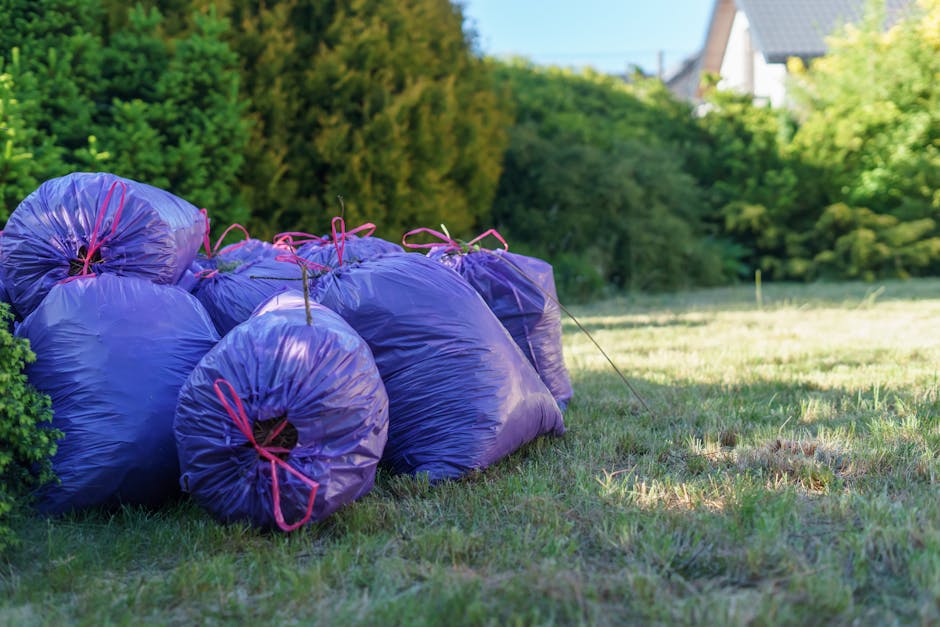
- Bag or stack safely. Use containers you can actually lift. Overpacked bags are a classic mistake.
- Remove hazards early. Glass, nails, rusted wire, and hidden rubble should be dealt with before the main clearance starts.
- Load and dispose responsibly. Use the right collection route or a responsible removal service.
- Do a final sweep. Check for stray twigs, clipped edges, and debris in corners, under hedges, and along the fence line.
If the garden contains dense growth or awkward woody material, handle the hard structural stuff first. It is easier to clear around open space than to fight through a thicket. One small win at a time.
A useful habit is to create three piles as you go: keep, clear, and unsure. The "unsure" pile prevents accidental disposal of useful items or protected features, and you can decide on it at the end with a clearer head.
Expert tips for better results
Experienced gardeners and clearance teams tend to do the small things well. That is usually the difference between a tidy job and a job that just looks tidy for half an hour. A few practical tips can make a noticeable difference.
- Work from the edges inward. It helps you keep access open and avoid trampling already cleared areas.
- Use manageable bag sizes. Heavier bags slow the job and increase injury risk.
- Keep moisture in mind. Wet green waste is much heavier than it looks on a grey Norbiton morning.
- Protect surfaces. If you have decking or paving, avoid dragging sharp branches across it. If needed, separate the work from any decking services area until the clearance is done.
- Trim before you clear. Cutting back overgrowth can reduce the bulk dramatically.
- Plan for a second pass. There is nearly always another handful of debris hiding behind a border, isn't there?
Another useful point: do not underestimate how much waste a small garden can produce once you start cutting. A few shrubs and one tired hedge can fill far more space than expected. So if you are arranging a collection or a professional visit, describe the job honestly. Under-scoping a clearance is a classic headache.
In our experience, the cleanest results come from combining clearance with a simple aftercare plan, such as monthly trimming, mowing, and light maintenance. That stops the garden from bouncing straight back into chaos.
Common mistakes to avoid
Most problems in garden clearance are avoidable. The tricky part is that people usually discover them only after the work has started. A few examples come up again and again.
- Mixing all waste together. Green waste, soil, timber, and general rubbish should not be bundled into one chaotic heap.
- Leaving waste on the pavement. It may seem convenient, but it can block access and create a nuisance.
- Ignoring hidden hazards. Broken pots, nails, and shards of glass love to hide at the bottom of a pile.
- Trying to carry too much at once. That is how backs get annoyed. Very annoyed.
- Forgetting neighbours and shared access. Narrow paths and shared side returns need a bit of courtesy and space.
- Assuming every item can be treated as garden waste. It cannot.
One more subtle mistake is starting with the "easy" visible stuff and leaving the awkward section for later. That can leave you tired before the real work begins. If you are doing the clearance yourself, tackle the bigger structural mess while you are still fresh.
And if the job looks more like a partial restoration than a simple tidy-up, it may be worth pairing it with landscape gardening so the space is not only cleared, but made more usable too.
Tools, resources and recommendations
You do not need a shed full of specialist kit to manage garden clearance well, but the right tools make the job safer and less frustrating. Choose equipment based on the actual job, not the fantasy version where everything is neat and dry.
| Task | Useful tools | Why it helps |
|---|---|---|
| Light clearing | Rake, gloves, garden bags, secateurs | Good for leaves, loose cuttings, and small tidy-ups |
| Heavy cut-back | Loppers, pruning saw, hedge trimmer | Makes bulky growth smaller and easier to move |
| Border and hedge work | Shears, trimmer, kneeling pad | Helps you work accurately without damaging plants you want to keep |
| Material sorting | Tarp, crates, separate sacks | Keeps waste types apart and reduces contamination |
| Bulk jobs | Wheelbarrow, rubble sacks, straps | Safer and more efficient for heavier loads |
If you are looking for a dependable way to keep on top of the garden once the main clear-out is done, a regular garden maintenance schedule is often the smartest next step. It is less dramatic than a full clearance, but honestly, that is the point.
Before you book or start, it can also be useful to review a provider's practical policies, especially health and safety policy, insurance and safety, and payment and security. These are the quiet details that tell you whether the service is run properly behind the scenes.
Law, compliance, standards, or best practice
Without overcomplicating it, the main compliance idea is simple: waste should be managed responsibly, and the person producing the waste generally has a duty to make sure it goes to an appropriate place. In practical terms, that means no dumping, no careless mixing of waste types, and no assuming that "it's only a bit of garden waste" makes it exempt from the usual rules.
Best practice in a local garden clearance usually includes:
- keeping waste contained on private property until it is ready for removal
- avoiding obstruction of pavements, roads, and shared access routes
- sorting green waste from general rubbish and hard waste
- checking whether any items are bulky, sharp, contaminated, or awkward enough to need separate treatment
- making sure anyone working on the site can do so safely
That last point matters more than people think. Garden clearance often involves bending, lifting, twisting, and moving through uneven ground. A messy border can hide more trip hazards than a cluttered loft, and that is not an exaggeration. A good clearance approach reduces that risk before it becomes a problem.
For householders who want to stay on the right side of general local expectations, the safest mindset is this: clear responsibly, keep the site tidy, and never leave the public realm looking like your overflow storage. It is a basic courtesy, but also a practical one.
Options, methods, or comparison table
There is no single "best" clearance method. The right one depends on the size of the job, the types of waste involved, and how much time you want to spend on it. Here is a simple comparison.
| Method | Best for | Pros | Watch-outs |
|---|---|---|---|
| DIY clearance | Small to medium tidy-ups | Flexible, hands-on, can be low cost if waste volumes are modest | Time-consuming, physically demanding, easy to mis-sort waste |
| Professional garden clearance | Overgrown, bulky, or time-sensitive jobs | Faster, safer, usually better for heavy lifting and sorting | Needs clear scope and honest description of the site |
| Combined clearance and maintenance | Gardens that need a reset and ongoing care | Stops the garden sliding straight back into disrepair | Best when you want a longer-term plan, not just one-off work |
If your garden has become so busy with growth that you are no longer sure what you are looking at, a professional route often makes the most sense. If it is just leaf fall, light pruning, and a few bags of debris, a careful DIY tidy may be enough. No drama either way.
Case study or real-world example
Picture a typical Norbiton front and back garden after a wet winter and an untidy spring. The front border has self-seeded growth leaning onto the path, the back lawn is patchy, there are two piles of old cuttings behind the shed, and a broken plant pot sits half-hidden under a climbing shrub. Nothing catastrophic. Just the kind of gradual build-up that quietly becomes a bigger job than anyone intended.
A sensible clearance would start by cutting back the overgrowth, separating the green waste from the broken pot and any general rubbish, and clearing the access route first. Once the main clutter is removed, the lawn can be mown, the hedges tidied, and the remaining space assessed properly. In many cases, that reveals small issues that were hidden before, like a fence panel leaning out of line or a patch of border that needs replanting.
That is the real value of clearance. It does not just make a space look better for one afternoon. It shows you what the garden actually needs next. A neighbour might only notice the neatness, but you notice the breathing room. There is a difference.
For jobs like this, it is often sensible to use a service that can handle multiple elements, from mowing to pruning and waste removal, rather than tackling each bit separately. If you need one place to start, the garden clearance service page is a practical first stop.
Practical checklist
Use this checklist before, during, or after a clearance so you do not miss the small things that matter.
- Identify which items are green waste and which are not
- Check for sharp, heavy, or contaminated waste
- Keep paths, pavements, and shared access clear
- Decide what will be kept, cut back, moved, or removed
- Use manageable bags and containers
- Separate timber, rubble, plastics, and household rubbish
- Trim overgrowth before lifting and loading waste
- Protect paving, decking, and lawns from dragging damage
- Plan for disposal or collection in advance
- Do a final sweep for debris, hidden tools, and loose thorns
- Set a maintenance plan so the garden does not slide backwards
If tree work is part of the job, it is worth considering whether you need help from tree lopping and removal specialists rather than treating it like ordinary hedge waste. That distinction matters more than people expect.
Get a free quote today and see how much you can save.
Conclusion
Norbiton garden clearance rules and Kingston Council guidance are really about common sense, responsibility, and keeping the job safe and tidy from start to finish. Once you separate waste properly, protect shared spaces, and plan the clearance in stages, the whole process becomes much easier to manage.
The best results usually come from a calm, methodical approach rather than a rushed one. Clear the access first, deal with the bulky material next, and leave the garden in a state that is ready for ordinary upkeep. That is often where the real value is: not just removing the mess, but creating a garden that feels manageable again.
And if the job is bigger than you hoped, that is fine. Happens all the time. The important thing is making the next step a sensible one, not a stressful one.
Frequently Asked Questions
What counts as garden waste in Norbiton clearance work?
Usually, garden waste includes grass cuttings, hedge trimmings, leaves, weeds, small branches, and general plant matter. Soil, rubble, treated timber, and household rubbish normally need different handling.
Can I leave garden waste on the pavement for collection?
It is usually better not to. Leaving waste on the pavement can obstruct access, create a nuisance, and increase the risk of problems with neighbours or passers-by. Keep it contained on private property until it is ready to be removed.
Do I need to separate green waste from other rubbish?
Yes, that is one of the most important habits. Separating green waste from non-green waste makes disposal cleaner, safer, and more in line with responsible local practice.
What should I do with soil and rubble from a garden clearance?
Soil and rubble are usually treated differently from soft garden waste. They may need separate disposal or loading arrangements, especially if they are heavy or mixed with other materials.
How do I know if my garden clearance is too big for DIY?
If the waste is bulky, access is awkward, the garden is heavily overgrown, or you are dealing with heavy lifting and mixed materials, it may be more sensible to use professional help. If you are already feeling tired just looking at it, that is often a clue.
Can hedge cuttings and branches go together?
Yes, in many cases they can go together as green waste, as long as they are not mixed with rubbish, treated timber, or other non-garden materials. Very large branches may still need cutting down first.
How often should a cleared garden be maintained?
That depends on the growth rate and how much use the garden gets, but regular upkeep is usually better than waiting for everything to build up again. Seasonal maintenance or monthly touch-ups often works well.
What is the safest way to start a garden clearance?
Start with a walk-through, sort the waste by type, and clear access routes before lifting anything heavy. Do not begin by grabbing the biggest pile first; that is how people tire themselves out quickly.
Can a clearance be combined with mowing and pruning?
Yes, and that is often the most practical approach. Combining clearance with mowing, hedge work, and light pruning can reset the whole garden in one visit rather than in several separate jobs.
What if I am not sure whether an item can be removed as garden waste?
Put it in the "unsure" pile and decide later. If an item looks contaminated, heavy, treated, or not obviously plant-based, treat it cautiously rather than guessing.
Is garden clearance the same as landscaping?
No. Clearance is usually about removing unwanted growth and debris. Landscaping is broader and may include reshaping, planting, surfacing, and redesigning the space after it has been cleared.
Where should I go next if I want help with a local clearance?
It makes sense to look at the provider's about us page, review the pricing and quotes information, and use the contact us page when you are ready to discuss the job in more detail.